
Healthy Habits Jennifer Wimmer
Healthy Habits: Winter Health

During the winter months, our bodies generate extra energy in order to keep us warm and this is also a reason why we feel hungrier during this time of year. Some of the most nutritious foods to eat during these next months, and to combat challenges such as dry skin are root vegetables, nuts and…
Read MoreHealthy Habits; Turkey Tail Mushrooms

These medicinal mushrooms may be more easily identified in the woods than others because of their appearance resembling a fanned out turkey’s tail with rings of color – shades of brown, yellow, orange, cream and gray on the caps. They can be cultivated anywhere but are native to temperate forests in the U.S., Canada and…
Read MoreHealthy Habits; immune system health

Immune System Health What can you include into your daily diet to make sure your immune system is in the best shape? There are many foods and herbs, such as echinacea, that will help keep your immune system strong. Organic, whole food supplements can be very expensive. Listed in the following paragraphs are some…
Read MoreHealthy Habits; pleurisy root, a natural lung decongestant

Pleurisy Root; also known by nicknames such as Canada root, Indian paintbrush and butterfly weed – the pleurisy plant is in the Asclepiadaceae genus, a name derived from the Greek “god” of medicine, Asklepios. Pleurisy root is one of the best herbs for lung health, and is a natural, ancient remedy for relieving the pain…
Read MoreHealthy Habits; Yerba Mansa
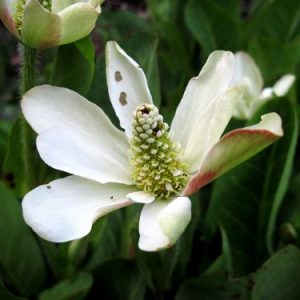
For centuries, this Southwestern U.S. and Northern Mexico native plant has been a traditional medicine utilized in treating many ailments topically and internally. Yerba mansa, or Anemopsis californica, is considered by many as one of the most versatile and invaluable natural medicines of the Southwest. https://www.wishgardenherbs.com/blogs/wishgarden/yerba-mansa This immune system boosting, low-growing, non-woody herbaceous perennial, also known…
Read MoreHealthy Habits; Chaparral
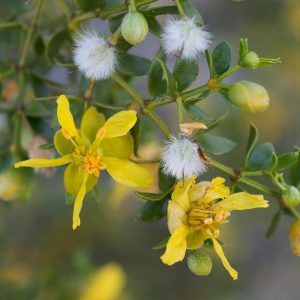
Chaparral: This flowering, desert shrub thrives in Mexico and in the Southwestern U.S., such as in the Mojave & Sonora Deserts. Chaparral’s small leaves are said to have a tarlike smell, thus it has gained the nicknames greasewood and creosote bush. However, its tiny, yellow, spring blooming flowers are said to have a much…
Read MoreHealthy Habits; Cassava

Cassava The cassava plant is a woody shrub native to South America. It is also commonly referred to as yuca, manioc and tapioca. The root of this plant is a rich source of copper, zinc, iron, magnesium and manganese. The leaves are helpful for external wound healing, and are high in vitamin K. https://plants.usda.gov/DocumentLibrary/plantguide/pdf/pg_maes.pdf…
Read MoreHealthy Habits; Prickly Ash Bark

Prickly Ash Bark This deciduous tree has a trunk & branches with thick, scattered knobs and thorns, with aromatic wood & bark. One of its common names is “Toothache Tree” due to the bark & leaves providing quick, long-lasting, natural pain relief for toothaches, as well as other aches & pains. Its berries, leaves and…
Read MoreHealthy Habits; Juniper Berries

Juniper trees/shrubs are coniferous evergreens in the cypress family, and the dark blue/purple berries they produce are a healing tonic, such as for promoting kidney & liver health and much more. They can be purchased in a freeze-dried powder form, capsules, tinctures and essential oil, and their healing qualities can be received internally,…
Read MoreHealthy Habits; Earthing

When we were children, we just called it running around outside barefoot. Today, it is being called “earthing” or “biological grounding,” and an extensive amount of research has revealed its numerous health benefits, including pain relief, reducing inflammation and improving circulation. Many of these studies are published, peer-reviewed and available for the public to…
Read More