Healthy Habits: Lucuma
By Jennifer Wimmer
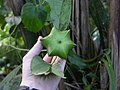
This sweet, nutrient-rich fruit is a natural alternative to refined sugar and supplies fiber, antioxidants and essential minerals. Native to the Andean valleys of Peru, Chile and Ecuador, lucuma is often called the “gold of the Incas” for its light golden color and reputation as a superfruit. A member of the Sapotaceae family, its botanical name is Pouteria lucuma.
The fruit is dense, with a texture similar to pumpkin and a flavor with butterscotch notes. It has only a few large, stone-like seeds that are essentially inedible pits and are not typically eaten. However, the seeds can be pressed to produce lucuma seed oil, which is used in creams and gels that promote wound healing, support tissue regeneration, soothe dry or itchy skin, and reduce signs of aging.
This tropical fruit can be enjoyed fresh, frozen or in freeze-dried powder form. When possible, choose organically grown, sustainably harvested and fair-trade products.
Lucuma powder contains more fiber and fewer simple sugars than an equivalent amount of cane sugar or syrup, which can help support steadier blood sugar levels and a gentler glycemic response when used in moderation. It provides dietary fiber, B vitamins, vitamin C and essential minerals that support overall wellness, including potassium for normal blood pressure and muscle and nerve function, calcium for bone and dental health, and iron for immune defenses and energy production. The trace nutrients it offers such as zinc and phosphorus, further aid metabolism and tissue repair.
It also supplies polyphenols and carotenoids, powerful antioxidants that help counter oxidative stress and inflammation, which in turn support immune health and contribute to a lower risk of chronic disease. Its soluble and insoluble fiber support healthy digestion and nourish beneficial gut bacteria, while vitamin C, beta-carotene and trace minerals promote immune function and healthy skin.
The fruit’s natural sweetness and mild maple-caramel flavor make lucuma powder an effective replacement for sugar in nearly any recipe. The powder blends easily into oatmeal, cold cereal, yogurt, ice cream, nut milks, coffee, tea, hot chocolate and smoothies.
Because it is naturally sweet and pairs well with bananas and creamy bases, lucuma makes a choice ingredient to use for making “nice cream.”
Lucuma nice cream recipe: For lucuma nice cream, blend 2 frozen bananas, 2 to 3 tablespoons coconut milk or oat milk, 1 tablespoon lucuma powder, ½ teaspoon vanilla extract and a pinch of fine-ground Celtic sea salt until smooth. Enjoy immediately as soft serve, or freeze 30 to 60 minutes for a firmer texture.
For baking, start by using about twice as much lucuma powder as you would cane or brown sugar, since it is less sweet and absorbs less water. Adjust based on texture of your batter. A general guide is to use about 1 to 3 teaspoons of lucuma powder per serving.
Lucuma health bar recipe: For optimal results, always use fair-trade, organic and raw (unrefined) ingredients. Gently warm coconut oil until melted, then combine 1/2 cup almond butter, 4 tablespoons sesame tahini, 1 tablespoon lucuma powder and 2 tablespoons raw cacao powder in a mixing bowl. Add 2 tablespoons coconut syrup or maple syrup for extra sweetness, if desired. Stir in the melted coconut oil until the mixture is smooth, press into a parchment-lined dish and freeze until firm, about one hour.
Slice into bars and store them in the refrigerator. Optional additions include chopped walnuts, sunflower seeds or dates for extra texture. You can also add a teaspoon of ashwagandha powder to the batter to add adaptogenic properties, along with a small pinch of fine ground black pepper to aid assimilation.
These easy-to-make bars provide magnesium, calcium and copper, offering a lower-sugar, fiber-rich option for a nutritious snack or quick breakfast. People with diabetes, fruit allergies or underlying health conditions should do their research and talk with a health care provider before using lucuma regularly.
Be well, and God bless you.