
Healthy Habits: Methylene Blue
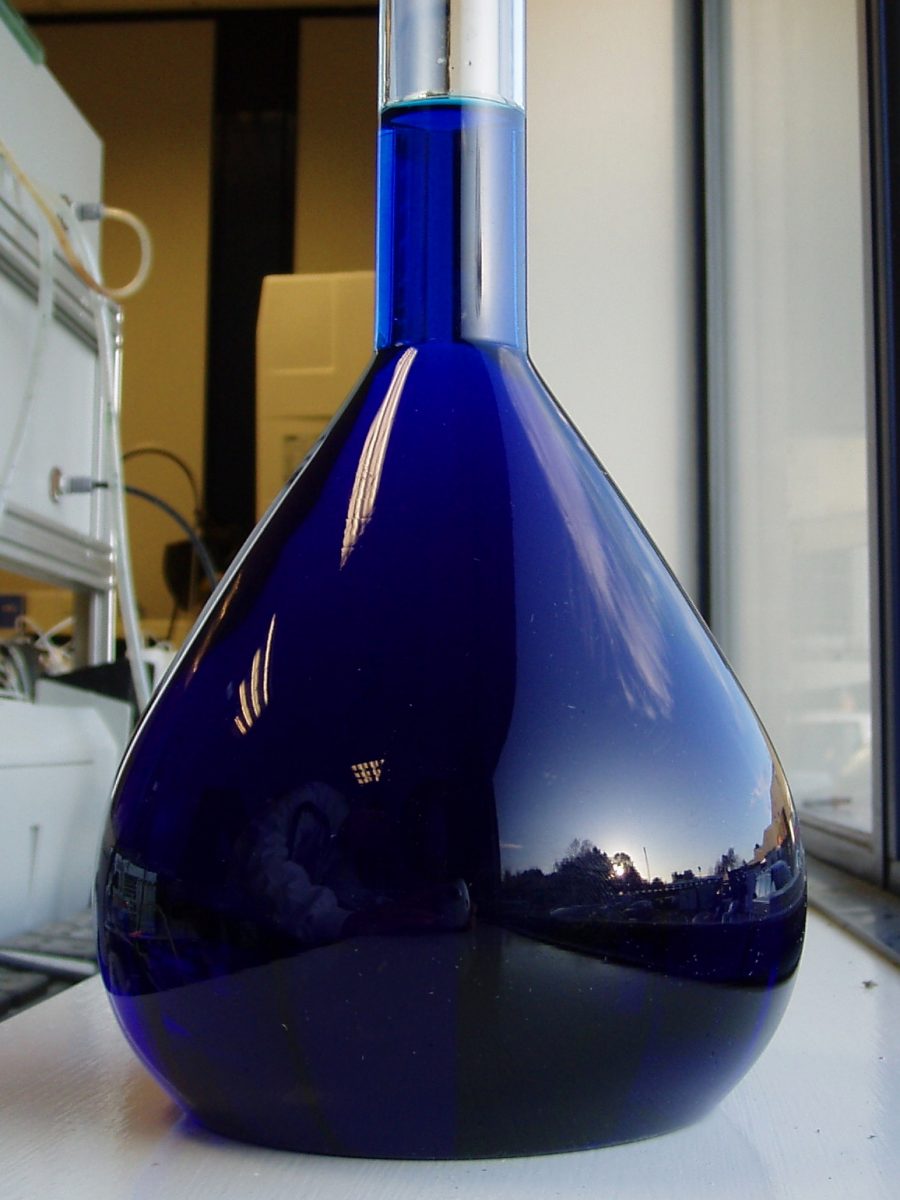
This compound is not something I would normally point to in my columns because it is a synthetic medicine and I mainly stick to natural remedies. Methylene blue (C16H18CIN3S) is safe in very small doses and is an over the counter medicine that is worth taking a closer look at.
It is called a “miracle medicine” because it has successfully treated a wide variety of illnesses, including but not limited to: gout, depression, covid & other viruses (antiviral), AIDS, autism, cancer, heart disease, brain fog, chronic Lyme disease, UTIs, septic shock, anaphylaxis, fatigue, memory loss, candida, inflammation, nerve degeneration, mitochondrial dysfunction and management & treatment of methemoglobinemia.
It is also called a “metabolic medicine” because it works by hormesis – taken in low doses it is beneficial, and taken in high doses it could be toxic. In low doses, it acts as an antioxidant, improves memory consolidation and protects the brain, thus acting as a potential therapeutic for neurodegenerative diseases such as Huntington’s Disease (HD) and early Alzheimer’s Disease.
Methylene blue, today, is kept on-hand in emergency rooms to treat cyanide poisoning or carbon monoxide poisoning. It has been around for a long time and there is plenty of peer-reviewed research available for you to read further about it. It was discovered in the late 1800s, the first fully synthetic drug in medicine, and utilized as one of the first antibiotics. It was also one of the first anti-psychotic drugs, and was used to treat malaria.

Methylene Blue Dosage
The dosage recommendation is .5 milligrams to 4 milligrams per kilogram of body weight, of USP (pharmaceutical) Grade, 1 percent solution (0.5mg/drop). For example, if you weigh 130 pounds (roughly 59 kilograms), then you would need approximately 30 drops per day. In one drop is 0.5 milligrams. So you would take around 7 or 8 drops in filtered water, 4 times per day.
Consult with your doctor, of course, and do your research to see if this is an option for you. If you decide it is something that would benefit you, then make sure to do the math and calculate the correct dosage according to body weight and any other factors that you might want to consider.
Function
How does methylene blue work? It acts as an artificial electron recycler. The electrons in our bodies are stored and produce energy, and they are in our mitochondria (our center of metabolism) as well. The food we eat is converted into electrons that are stored in the ATP molecule for energy.
Methylene blue can remove or add electrons (redox cycling), depending on what part of our bodies need them and what parts don’t need them, within these important electron exchanges that go on in our bodies every day. It also assists mitochondria in transporting and absorbing oxygen (an oxidation-reduction agent), which improves the way our bodies use oxygen.

Contraindications
Pregnant and lactating women should not take methylene blue. Also, those who are taking SSRIs, such as for depression, would not benefit from this medicine. There is a risk of serotonin syndrome, a life-threatening condition, when methylene blue is used with medications that raise serotonin levels, which includes opioids. Those taking SNRIs and MAOIs should not consider it either.
Also, methylene blue is processed in the liver and those with liver conditions may not benefit from it. The list of possible adversities to this medicine is too long to include here so please always do extensive research and talk with your health care practitioner first before considering this option.
Be Well and God Bless You.
By Jennifer Wimmer


